Pages

Sunday, June 12, 2022

Father's Day . . . June 19th . . . Let's Celebrate Dad!

June 19th... Let's celebrate Dad!
How will you surprise him?

From the author and illustrator of HOW TO BABYSIT GRANDMA AND GRANDPA comes another delightful story by Reagan and Wildish...HOW TO Surprise a Dad!

It is perfect for enhancing creative thinking and writing "how to" pieces.

This packet is filled with activities to support comprehension, vocabulary, writing, and even a little mathematics.

Vocabulary for posting (colorful cards with pictures)

Writing...

How to Surprise a Dad

How to Surprise My Dad

Sequencing

An opinion page

A "how to" page

Writing final copy pages with differentiated levels of writing pages.

Comprehension...

Cause and Effect...It was...so what would happen?

Story Elements

Predict...what surprise would your dad like?

Interview with Dad

Writing about your interview.

Word Work...

Parts of Speech

ABC order

Black and White vocabulary cards to match the words (students can color and take home)

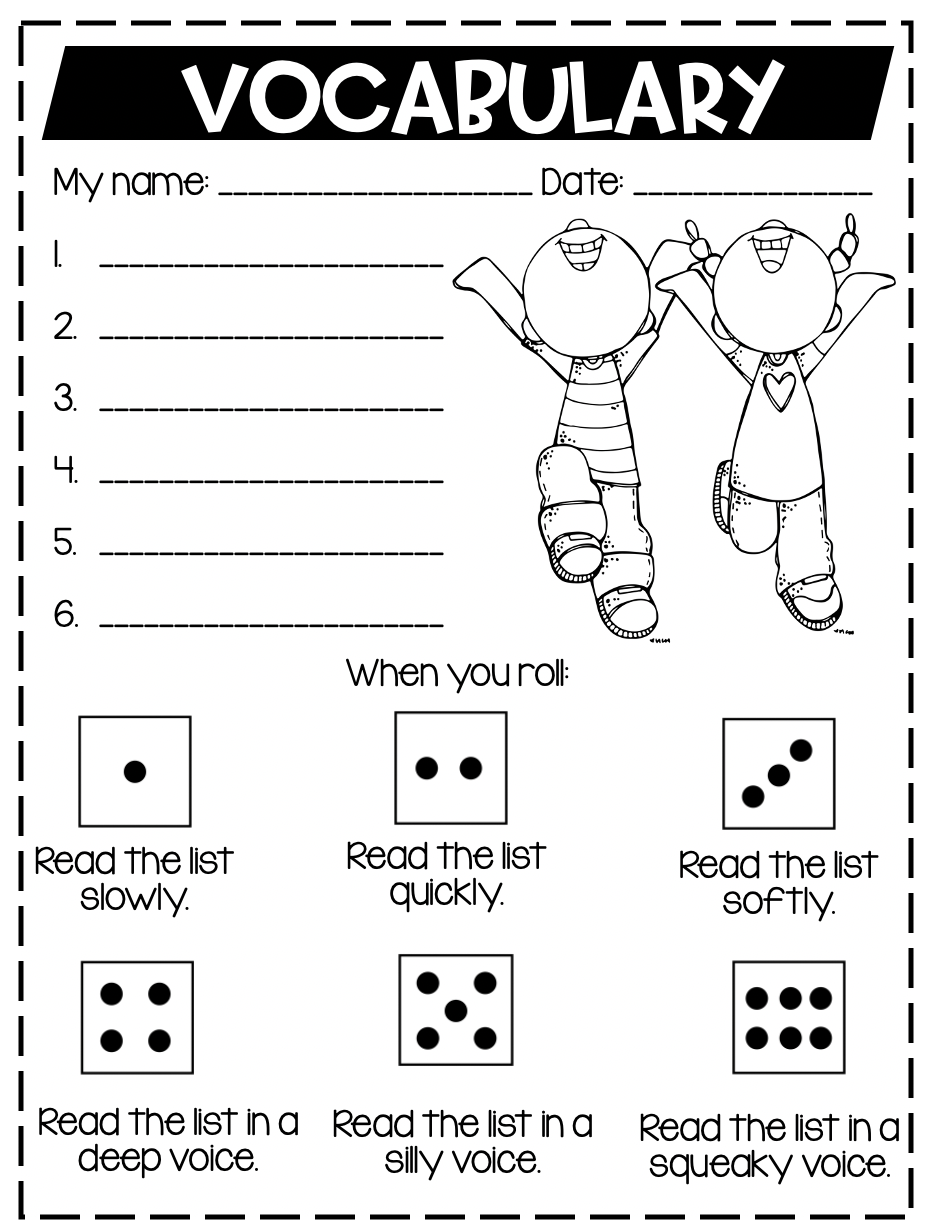
Roll and Read...have fun reading words loudly, softly, silly, slowly, quickly

Word Search

Morning Senses...smell, touch, taste, hear, see

What would dad like to find inside his gift?

2 Mathematics Game (Subtraction to 12 and 20)


Celebrate this special day with DAD!

These resources are designed to provide activities to help students celebrate DAD by reading and writing.

Slide One:  An Interview with Dad

Slide Two:  Writing about Dad

Slide Three:  Making Predictions about Dad

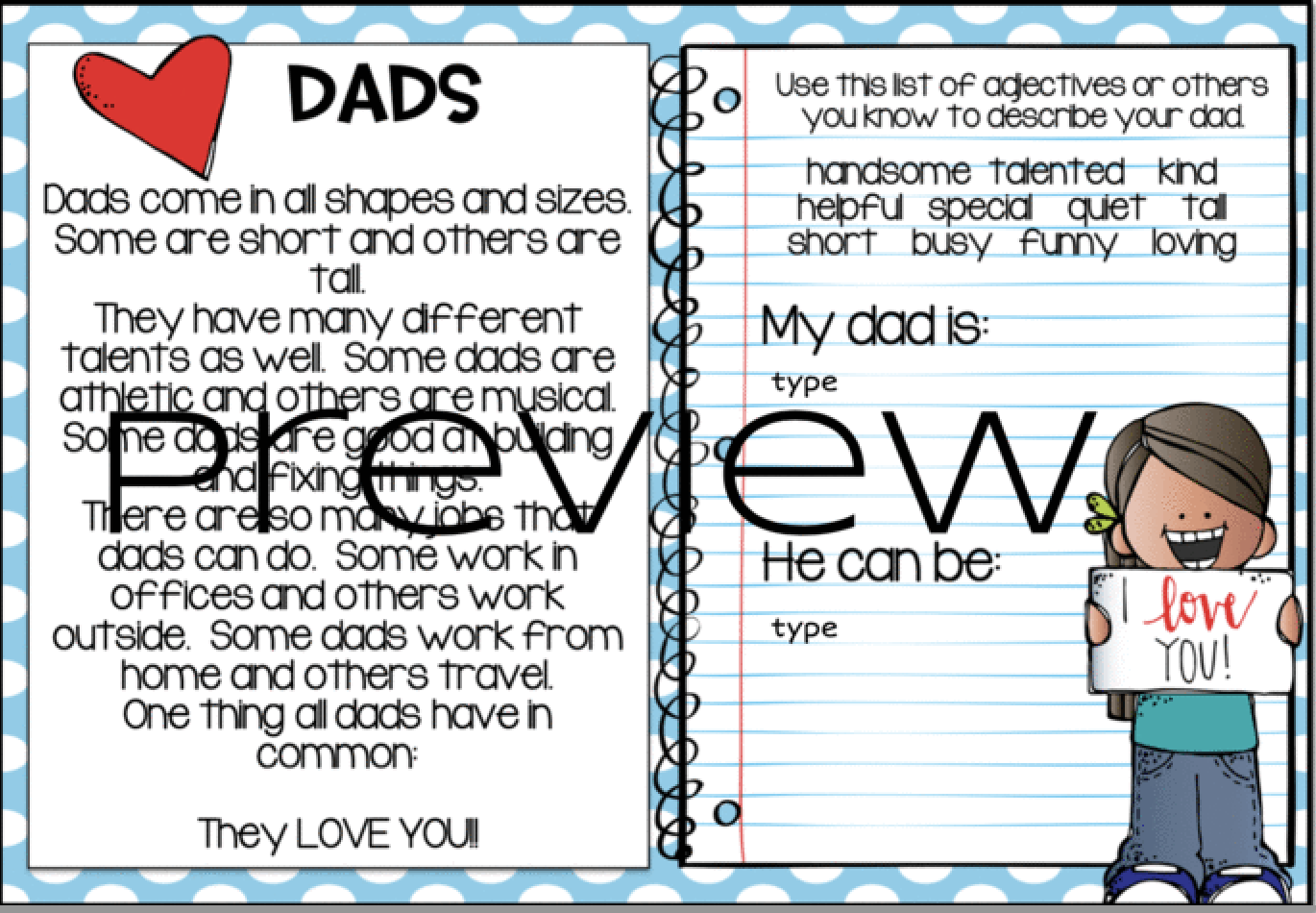
Slide Four:  Text to read about dad...Use adjectives to describe Dad

Slide Five:  The perfect day with dad.

Slide Six:  Poem about Dad.  Making a list of things we love about dad.

Slide Seven:  Math with Dad...Directions for a game


Interactive Google Slides and the Paper Pencil Resource to make the perfect classroom team to celebrate Father's Day.

The resources include:

Three literacy suggestions with activities to follow.

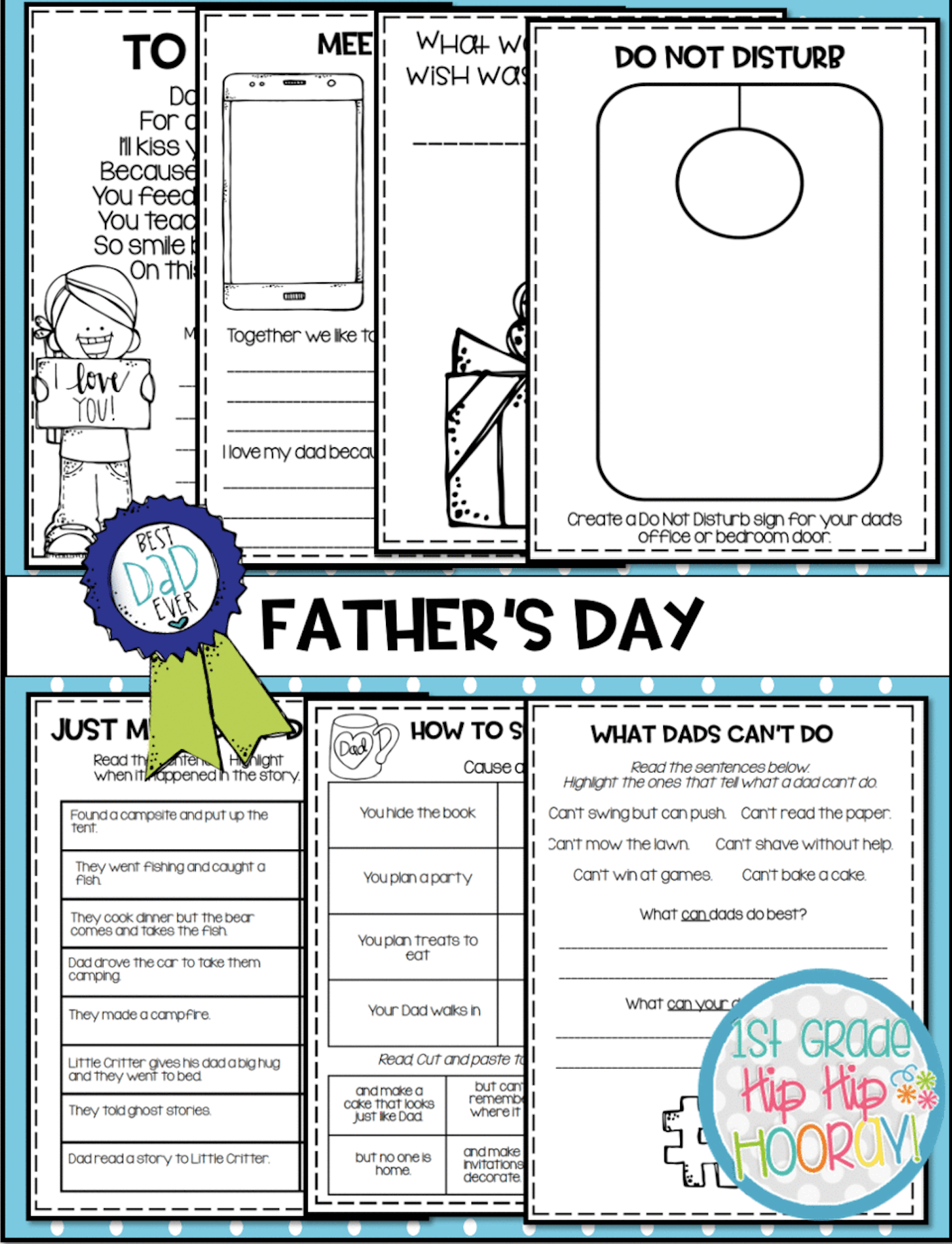
Just Me and My Dad

What Dads Can't Do

How to Surprise Dad

Craft Suggestion for card ... I'm "hooked" on my Dad

Word work:  word search, adjectives, abc order, word scramble

Writing: Interview, what make's Dad special, about my Dad

Graphic Organizers

Vocabulary for posting

and so much more!!

Celebrate this special day with DAD!

The resource includes:

Three literacy suggestions with an activity to follow.

Just Me and My Dad

What Dads Can't Do

How to Surprise Dad

Craft Suggestion for card ... I'm "hooked" on my Dad

Word work:  word search, adjectives, abc order, word scramble

Writing: Interview, what make's Dad special, about my Dad

Graphic Organizers

Vocabulary

and so much more!!


Saturday, June 11, 2022

ABC's to Successful Teaching . . . Developing Fluency!


Today I want to take some time to talk about FLUENCY but not only FLUENCY in reading.  I also want to look at what I like to call FLUENCY in mathematics.
Let me clarify.
In my experience, students with a strong base of sight words are strong readers.
The same is true in mathematics.  Those with a strong knowledge of facts are strong mathematicians.  

DEVELOPING FLUENT READERS

**Make sure books are at or below student level.

Read to a partner!I like to assign partners and I keep a list and be sure I read with them on a rotating basis.
We choose our books on Monday.  They can bring a book from home if they want.
The only rule is...the book they choose must be one they can read easily.
Sometimes I have to ask them to make another choice.
Better readers can choose a chapter from a book.
Then Thursday we partner read.  


Read with expression and accuracy!
I love this activity.  Use your sight vocabulary list for the week.
Partner up the kiddos and have fun.
You can have them write the words or read them from a  list you have prepared.


Doubles Chant
This is so helpful in memorizing the doubles facts.
We say it each day before calendar.
                                                            
How to Make 10
This game is so helpful in learning the combinations.
It is played like Concentration.
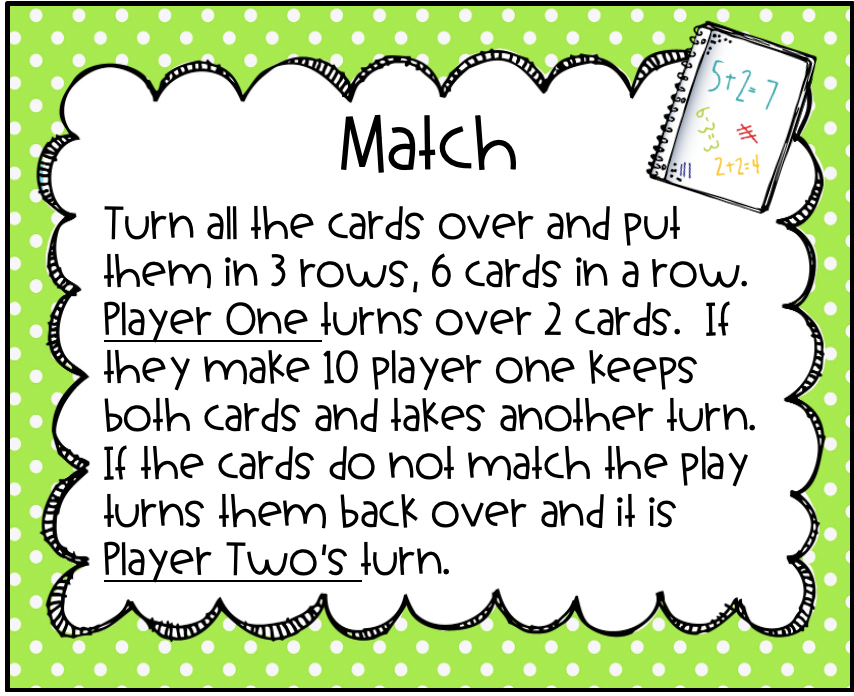
Turn all the cards over and put them in 5 rows of 5.
Take turns turning cards over to find a match.
If they match you keep the cards.
The player with the most matches at the end wins!!


Just some FUN ways to increase student FLUENCY!!

Tomorrow...

Tuesday, June 7, 2022

ABC's To Successful Teaching . . . Expectations

It has been proven that a teacher's expectations can affect the way a student learns or behaves.
A teacher who believes in their students, who has a positive attitude, and who presents challenging material will boost academic achievement.
Let's take a look at suggestions on how we can improve our expectations about every student in our classroom.
1.  Find out what they are all about.
Get to know your students as individuals.  What do they like?  What are they good at?  
How do they feel about school and learning?
By getting to know each student we are able to let relate to them as an individual so they feel important and valued.
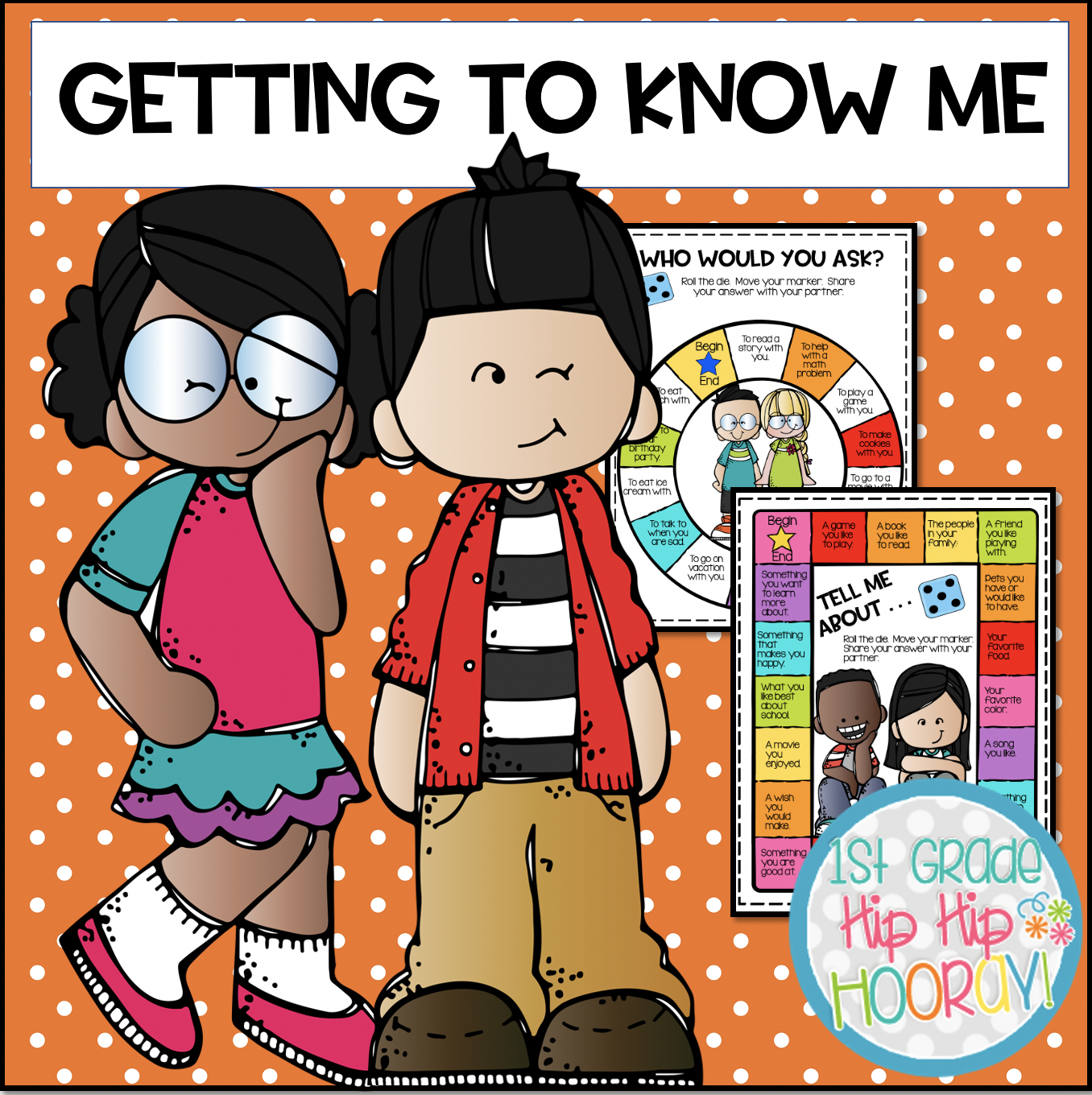
These are some interest surveys I use at the beginning of the year that give me a start.  They are leveled to meet all student needs.


2.  Allow students to set goals for themselves.
  This allows students to get involved in their own learning process and achievement.
Each Monday morning we take a few minutes to set a goal for ourselves.  
I set one as well so the class sees me working to improve also.  The first few times you do this you may have to help students with suggestions but after a few times you will see they really work hard to set and meet THEIR goals.  On Friday I hand back their goal sheet and they evaluate their progress.  
Some weeks I collect these and write a note on the back to each student letting them know how proud I am of their efforts. 
I allow students to pick the same goal more than once if they feel they need more practice.
Keep goals simple and attainable.
Sample goals:
Improve my math facts.
Work on my penmanship.
Practice ending sentences with periods.
Reading more when I finish my work.
Raising my hand before I speak out.
3.  Play games with your students that allow for conversation.
I love this game.  It is simple and really allows me and the other students to get to know each other.
I like to partner students.  At the end they answer the sheet provided that shares one thing they learned about their partner.  We then share these with the class.
This can be played over and over as long as their partners are different!!


For students to succeed they need to know they are appreciated and respected.  Let your students know that YOU BELIEVE IN THEM and YOU KNOW THEY CAN DO IT!  
One step at a time they will reach SUCCESS!

Thursday, June 2, 2022

ABC's To Successful Teaching ... Differentiation!


We've all heard...
Every student is an individual and needs to be treated as such.

And so when we think of DIFFERENTIATION we can really become overwhelmed.
How as an educator do I DIFFERENTIATE curriculum so that I meet the needs of every student in my classroom as an individual?
DIFFERENTIATION takes planning and with an educator's plate already full this task can seem daunting.
BUT
Let's give DIFFERENTIATION a POSITIVE spin!!
Let's look at making learning enjoyable and attainable for every student.

DIFFERENTIATION consists of the efforts of a teacher to meet the variety of needs among learners in the classroom.  It means adjusting or changing a lesson and goal based on specific needs of the learner.

You might begin by taking interest inventories and find out everything you can about every student.
How do they feel about each subject matter, where they work and even about how they feel about their own confidence.  At early ages this may be a challenge so I often have them do it with an adult who can help explain some of the questions.  
I also like to ask parents to fill out a survey about their child.
This information altogether can be very helpful.


Think about what are the big ideas, core concepts, and your learning expectations.  
Then think about ways to help students achieve them.
Let's look at some ways teachers can DIFFERENTIATE.
Content:  What do the students need to learn and what can you do to meet varying degrees of difficulty?
Video, demonstration, verbal lesson, text
Process:  How will the content be presented and what can you do to vary the ways of presentation?
Same topic ... different levels
Products:  How will the students demonstrate mastery? (report, picture, play)
Learning Environment:  How is your classroom set up to meet the varying needs for learning?
Quiet, Independent, Move and Learn, Small Group
  • Leveled reading.
  • Using small groups to teach, reteach, and extend.
  • Varying the expectations (write words, write a sentence, write a paragraph).
  • Providing choices for way to present a final product. (written report, picture, verbally)
  • Provide manipulatives or support tools for students who need them.
  • Present material using verbals, visuals, and modeling.
  • Provide flexible and varying means of assessment.
  • Use questioning techniques adjusted to student's ability.
  • Think, Pair, Share
  • Teach Up
These suggestions show that a teacher can DIFFERENTIATE content, environment, teaching strategies, and products.  

Here are some things I have found helpful in my classroom in terms of leveling activities about the same topic.
Look for content, environment, teaching strategies, and products used in the following samples.
Below are examples of how you can take a simple topic and read, write and play math games to support varied levels in your classroom.
I included templates so that you can create your own activities.


Tomorrow...